Discovering Methylcobalamin 1500 mcg sublingual tablet benefits, uses & dosage
Updated: Feb 19
Vitamin B12 plays a crucial role in maintaining energy levels, nerve health, and overall well-being, especially for people over 40, gym enthusiasts, and those managing diabetic neuropathy. Among the various forms of vitamin B12 supplements, methylcobalamin 1500 mcg sublingual tablets have gained attention for their unique benefits and effectiveness. This post explores why sublingual methylcobalamin stands out, compares it with other B12 forms, and offers practical guidance on its uses and dosage.
Methylcobalamin 1500 mcg Sublingual Tablet benefits?
Methylcobalamin is an active, bioavailable form of vitamin B12 that the body can use directly without conversion. The sublingual delivery method means the tablet dissolves under the tongue, allowing the vitamin to enter the bloodstream quickly through the mucous membranes. This method bypasses the digestive system, which can sometimes limit absorption, especially in older adults or those with digestive issues.
Key Benefits of Sublingual Methylcobalamin 1500 mcg tablet
Faster absorption: The sublingual route allows methylcobalamin to enter the bloodstream rapidly, leading to quicker effects.
Higher bioavailability: More of the vitamin reaches the cells compared to oral tablets swallowed and processed through the gut.
Convenience: Easy to take without water, making it suitable for people with swallowing difficulties.
Supports nerve health: Methylcobalamin is known to aid in nerve repair and function, which is vital for those with diabetic neuropathy.
Energy support: Helps reduce fatigue by supporting red blood cell production and neurological function.
These advantages make methylcobalamin 1500 mcg sublingual tablets a preferred choice for many seeking effective vitamin B12 supplementation.
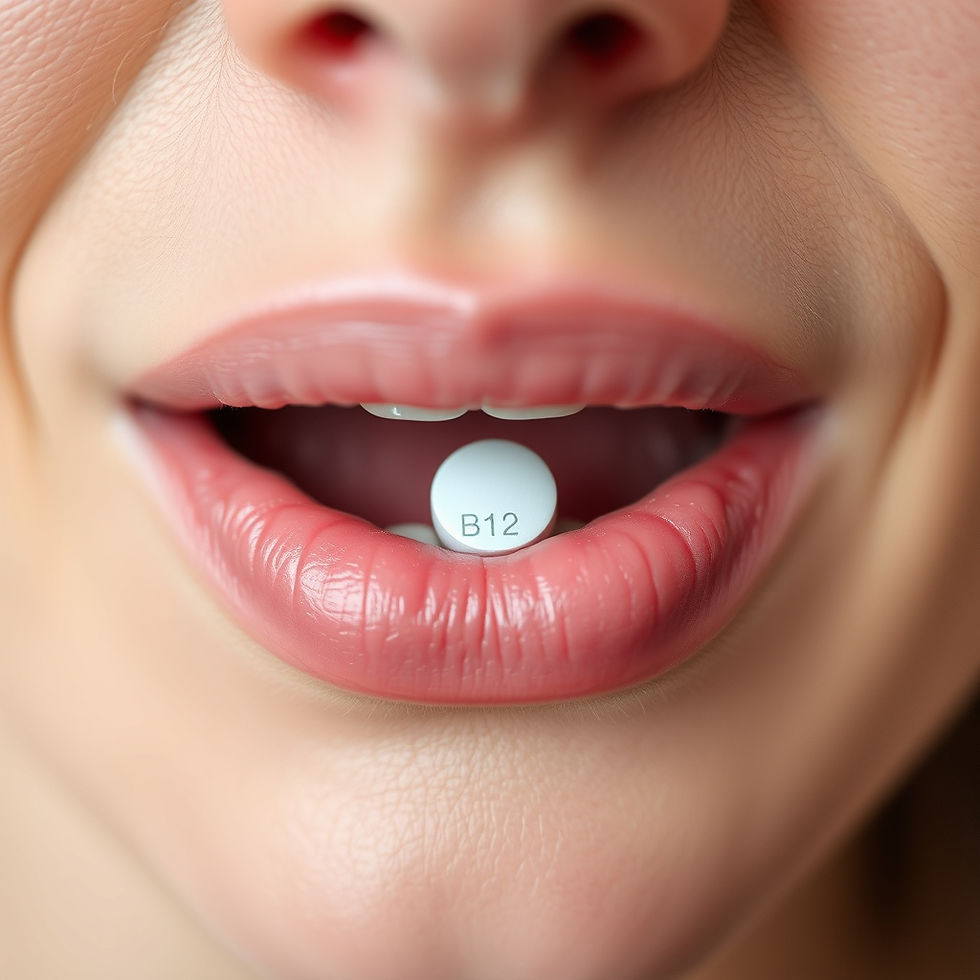
Close-up view of a methylcobalamin ( Vit b12 ) 1500 mcg sublingual tablets
Comparing methylcobalamin Sublingual vs Oral vs Translingual
When choosing a vitamin B12 supplement, the delivery method affects how well the body absorbs and uses the vitamin. Here’s how sublingual methylcobalamin compares to oral and translingual forms:
Sublingual
Placed under the tongue to dissolve.
Absorbed directly into the bloodstream through mucous membranes.
Avoids digestive breakdown.
Ideal for people with digestive issues or poor B12 absorption.
Provides quicker onset of action.
Oral (Swallowed)
Tablets or capsules swallowed and absorbed through the intestines.
Absorption depends on stomach acid and intrinsic factor, which can decline with age or illness.
May require higher doses to compensate for reduced absorption.
Convenient but less efficient for some individuals.
Translingual (Spray)
Sprayed onto the tongue or inside the cheek.
Absorbed through oral mucosa similar to sublingual.
Offers flexibility in dosing.
Some users find sprays easier or more pleasant than tablets.
For those over 40 or with conditions like diabetic neuropathy, sublingual methylcobalamin 1500 mcg offers a reliable and effective way to maintain adequate B12 levels without relying on digestive absorption.
Methylcobalamin vs. Cyanocobalamin vs. Hydroxycobalamin
Vitamin B12 supplements come in several chemical forms. Understanding their differences helps in choosing the right one.
Methylcobalamin
Active form of B12 used directly by the body.
Supports nerve repair and brain health.
Naturally found in food sources.
Often preferred for neurological conditions and energy support.
Typically well-tolerated with fewer side effects.
Cyanocobalamin
Synthetic form of B12.
Contains a cyanide molecule that the body must remove.
Less expensive and widely available.
Requires conversion to active forms (methylcobalamin or adenosylcobalamin) in the body.
May be less effective for people with impaired conversion ability.
Hydroxycobalamin
Naturally occurring form produced by bacteria.
Often used in injections for B12 deficiency.
Longer retention in the body compared to cyanocobalamin.
Can be converted to active forms.
Sometimes preferred in clinical settings for rapid correction of deficiency.
For daily supplementation, especially in sublingual form, methylcobalamin 1500 mcg is often the best choice due to its direct usability and nerve-supporting properties.
Uses of Methylcobalamin 1500 mcg Sublingual Tablet
Methylcobalamin supplements serve several important purposes, particularly for people over 40, gym goers, and those with diabetic neuropathy.
Supporting Energy and Reducing Fatigue
Vitamin B12 is essential for red blood cell production, which carries oxygen throughout the body. Low B12 levels can cause fatigue and weakness. Supplementing with methylcobalamin helps maintain energy levels, supporting active lifestyles and workouts.
Enhancing Nerve Health
Methylcobalamin plays a role in maintaining the myelin sheath that protects nerves. This is especially important for people with diabetic neuropathy, where nerve damage causes pain, tingling, or numbness. Studies suggest methylcobalamin may help repair nerve damage and improve symptoms.
Cognitive Function and Mood
Vitamin B12 supports brain health and neurotransmitter production. Adequate levels may help improve memory, focus, and mood, which can decline with age or deficiency.
Preventing Deficiency
Older adults often have reduced stomach acid, which impairs B12 absorption from food. Sublingual methylcobalamin bypasses this issue, making it an effective way to prevent deficiency.
Recommended Dosage and How to Take Methylcobalamin 1500 mcg Sublingual Tablet
Dosage depends on individual needs, health status, and doctor recommendations. Here are general guidelines:
Typical dose: 1500 mcg once daily.
For deficiency or neuropathy: Some healthcare providers recommend higher or more frequent doses.
Administration: Place the tablet under the tongue and allow it to dissolve completely. Avoid swallowing immediately to maximize absorption.
Consistency: Take daily at the same time for best results.
Consult your healthcare provider before starting supplementation, especially if you have medical conditions or take other medications.
Safety and Side Effects
Methylcobalamin is generally safe with low risk of side effects. Some people may experience mild reactions such as:
Headache
Nausea
Diarrhea
Skin rash (rare)
If you experience any adverse effects, stop use and consult a healthcare professional. Because vitamin B12 is water-soluble, excess amounts are usually excreted in urine, reducing the risk of toxicity.
Summary
Methylcobalamin 1500 mcg sublingual tablet offer a powerful way to support energy, nerve health, and overall wellness, especially for people over 40, gym enthusiasts, and those managing diabetic neuropathy. Sublingual delivery ensures faster and more efficient absorption compared to oral forms. Compared to cyanocobalamin and Hydroxycobalamin, methylcobalamin provides direct benefits without requiring conversion in the body.

Comments